
Waimea Bay Oahu: Beach, Cliff Jumping and North Shore Guide
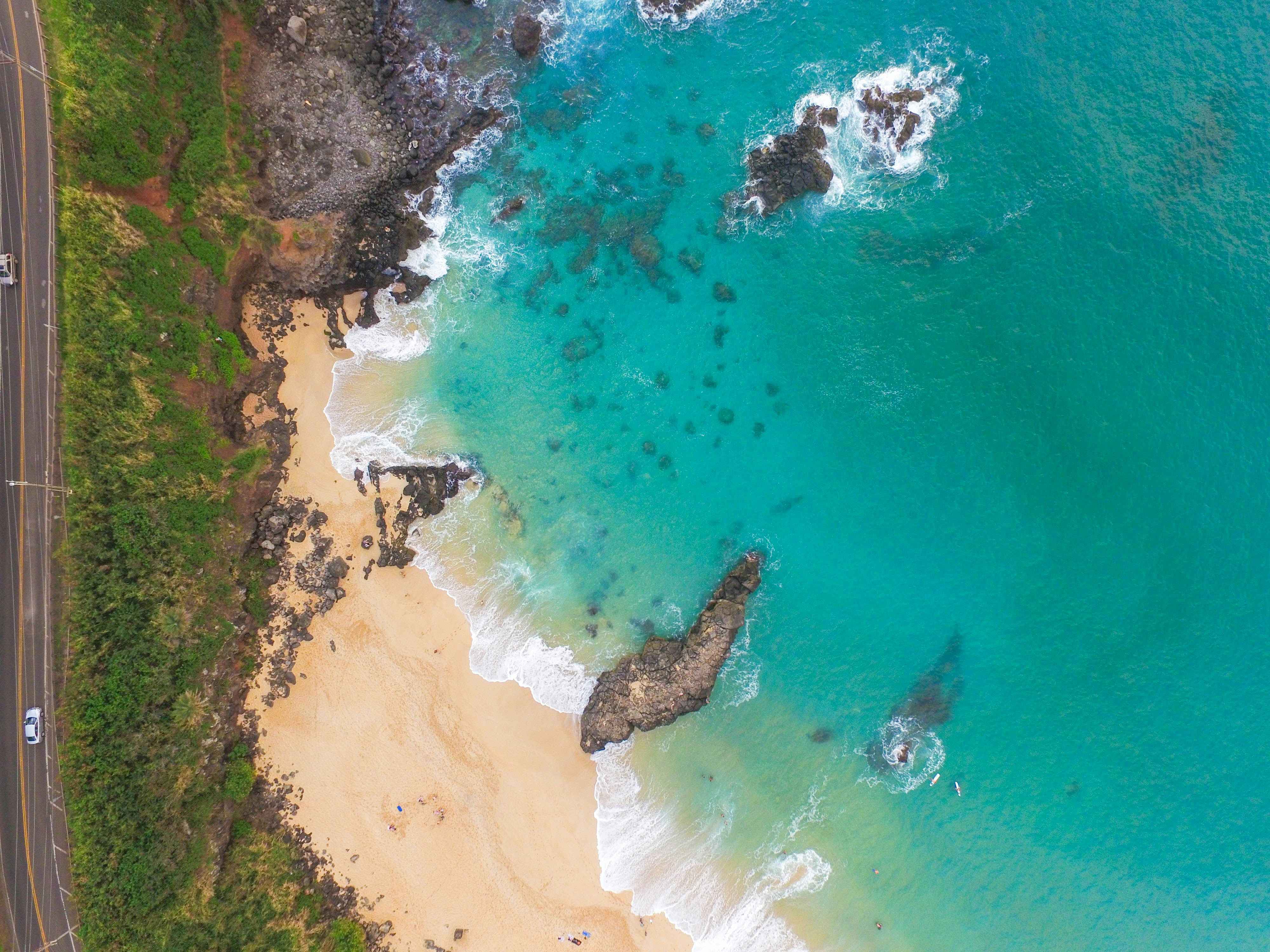
Waimea Bay, on Oahu's North Shore, is a beach that completely changes with the seasons, calm and perfect for swimming in the summer, and home to massive waves in the winter.
Located about an hour from Waikiki, it's the kind of place that already makes the drive worth it as soon as you see it.
The History and Cultural Significance of Waimea Bay
Waimea Bay goes far beyond what you see from the beach.
The name "Waimea" means "reddish water," referring to the color the ocean can take after heavy rains, when soil from the valley is carried into the sea. It's a simple detail, but one that has been part of this place for generations.
Long before it became famous for surfing, this region was inhabited by Native Hawaiian communities. The nearby valley supported taro farming, and fishponds helped sustain daily life, always in connection with the land and the ocean.
To this day, it is still possible to find traces of this history, from ancient heiau (Hawaiian temples) to petroglyphs scattered throughout the area, even if they are not always easy to notice at first glance.
Best Time to Visit Waimea Bay
Knowing that Waimea Bay is a beach that changes completely throughout the year, it's worth paying attention to the timing of your trip to make the most of the experience, and, whenever possible, checking the ocean conditions on the day, as they can change quickly.
From May to September (summer), the ocean is usually calmer, and on clearer days, you can even see through the water near the shore. It's ideal for swimming, relaxing, and enjoying the beach at a slower pace. It's also the best time for families, for those who want to get in the water, visit Jump Rock, or even go snorkeling near the rocks, where it's common to see tropical fish and, with some luck, even a few turtles passing by.
Between November and March (winter), the beach changes quite a bit and ends up not being the best option for those who want to enter the water. Swells from the North Pacific can reach 6 to 9 meters (or more), turning Waimea into one of the main big wave surfing spots in the world. On bigger days, you can often hear the waves before even reaching the beach, which already gives you an idea of how powerful they are. During this time, it becomes especially interesting for those who enjoy surfing or simply watching professional surfers from the shore.
Waimea Bay has an impressive natural beauty and is one of those places that stays with you even after you leave, whether you visit during the calm summer months or the powerful winter swells.
Things to Do at Waimea Bay Beach
Waimea Bay offers several ways to enjoy the day, whether to relax, explore, take in the scenery, or get into the water. Depending on the conditions, it's a great spot for swimming, snorkeling, bodyboarding, and even surfing, while on bigger days, just watching the waves and the surfers can already be part of the experience. Fishing is also common in the area, especially along the edges of the bay.
For those who enjoy a bit more adventure, it's worth visiting the spot known as Jump Rock, on the north side of the beach. At about 7 to 8 meters high, many people climb up there to jump into the ocean below. It's one of those experiences that stays with you after the trip, but it should only be done when the sea is calm and in safe conditions, so it's always worth checking beforehand.
In the summer, snorkeling near the rocky areas is a great option for those who want to explore the ocean more calmly. The water is usually clearer and more peaceful, making visibility easier, and it's common to see tropical fish swimming around and, with a bit of luck, even some turtles appear. If you stay still for a moment, the fish often come closer, which makes the experience even better.
In addition, you can:
- Relax on the sand or on the grassy area nearby
- Have a picnic with an ocean view
- Enjoy the sunset, which is usually beautiful from there
- Watch surfers on bigger wave days
- Surf in the winter (only for experienced surfers, due to the large waves)
- Try bodyboarding on smaller wave days
- Swim in the calm summer waters
- Snorkel near the rocky areas
- Fish along the edges of the bay
- Visit Waimea Valley, which is located right across and offers an easy trail to a waterfall, as well as contact with nature and local culture
But honestly, one of the best things to do there is the simplest: sit and watch the ocean. Especially on big wave days, it's hard to look away.
Surfing at Waimea Bay
As mentioned earlier, Waimea Bay is a very important place in the history of big wave surfing.
It was here, in the late 1950s, that surfers like Greg Noll and Eddie Aikau began to face waves that, until then, were considered impossible, which ended up changing the way surfing came to be seen around the world.
Part of what makes the waves so impressive is the ocean floor in the region. As the swell approaches the shore, it rises quickly, forming tall, strong, and heavy waves.
On bigger days, waves can exceed 9 meters, attracting experienced surfers from all over the world, as well as many people who go to the beach just to watch.
The beach is also home to the Eddie Aikau Big Wave Invitational, one of the most famous surf events, which only takes place when conditions are truly extreme.
Even outside of these big wave days, Waimea Bay has a different energy. It's the kind of place that stays with you, both for its history and the strength of the ocean.
Highlights
- Calm summer waters & giant winter waves
- Jump Rock for cliff jumping
- Great snorkeling with fish & turtles
- Family-friendly (in summer)
- Lifeguards on duty
- World-famous big wave surf spot
- Large sandy beach with lifeguard on duty
- Beautiful mountain backdrop and scenic views
- Near Waimea Valley waterfall
- Arrive early for parking, especially on weekends

Where to Stay Near Waimea Bay Beach

Staying near Waimea Bay Beach makes it easier to enjoy the area with more comfort and less time spent driving.
Located close to Waimea Bay Beach and Da Big Rock, the area offers unique natural and cultural features. Just minutes away, Waimea Valley features hiking trails, botanical gardens, waterfalls, and well-reviewed dining options like Wahi Aina Open Kitchen. The Eddie Aikau Memorial Plaque, honoring the legendary surfer, is located right on the beach. Shark’s Cove is about a 5-minute drive or a 15-minute walk away, making it ideal for snorkeling.
Staying in this area goes beyond simply choosing a place to stay — it’s about experiencing the best of the North Shore with ease and convenience. Our accommodations provide a welcoming, well-equipped base, allowing you to enjoy beaches, trails, and unique experiences just minutes away. Every stay becomes an unforgettable experience, where nature, culture, and relaxation come together in the perfect setting for your vacation.